

Quick answer: After total knee replacement, recovery is a structured process: early walking as advised, swelling control, physiotherapy for motion and strength, and gradual return to daily activities. Timelines differ by age, other health conditions, surgical approach, and how consistently you follow rehab. This guide explains typical phases so Raipur families can plan support at home.
Why recovery planning matters
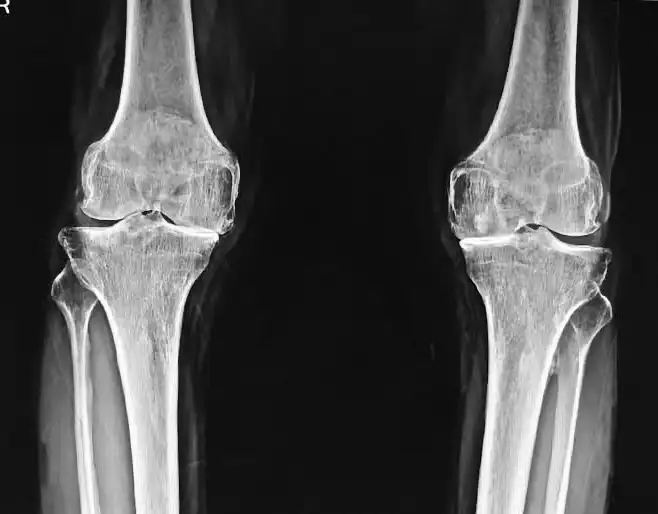
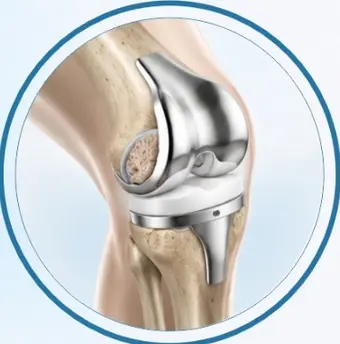
Knee replacement (arthroplasty) resurfaces damaged joint surfaces with implants when arthritis or deformity limits walking, sleep, or self-care and non-surgical care is no longer enough. Surgery is only one part of the journey. Physiotherapy after total knee replacement is a major part of how motion and function return over the following weeks and months.
Families in Raipur often juggle stairs, scooter travel, and multi-generational homes. A short home plan before surgery reduces stress later.
Before surgery: set up your home
- Clear walkways; remove loose rugs on the path to the bathroom
- Keep a firm chair with armrests for sit-to-stand practice
- Place frequently used items at waist height
- Arrange help for the first 1–2 weeks for meals and errands
- Discuss blood thinners, diabetes medicines, and dental issues with your surgical team in advance
Hospital phase: first days
Protocols vary by hospital. Many pathways emphasise early mobilisation when it is safe, under physiotherapy guidance, to reduce stiffness and support circulation. You can expect:
- Pain control with a multimodal plan (not only one strong tablet)
- Breathing exercises and ankle pumps
- Walking with a walker or crutches as cleared
- Wound checks and education on dressing care
- Discharge goals: safe transfers, understanding exercises, knowing warning signs
Ask your team for a written exercise sheet before you leave. Do not rely on memory alone after a tiring hospital stay.
Week-by-week outline (typical, not a promise)
Your surgeon’s protocol overrides any blog timeline. Use this only as a planning sketch.
- Week 1–2: Swelling control (ice, elevation), gentle range exercises, short walks indoors, blood-thinner compliance if prescribed
- Week 3–6: Progressive physio for bending and straightening, stronger quadriceps work, longer walks as pain allows
- Week 6–12: Improve endurance, stair practice, return to light household roles; driving only when your surgeon clears reaction time and control
- Beyond 3 months: Continued strength and flexibility; many people keep improving for several months with consistent work
Some days feel slower than others. Swelling after longer walks is common. Sharp new pain, fever, or calf swelling is not something to “wait out.”
Physiotherapy focus that usually matters
- Full knee extension (straightening) early, so the gait does not stay bent
- Gradual flexion under guidance
- Quadriceps and hip strength for safer stairs
- Gait training so you do not limp from habit after the walker phase
Skipping physio because the wound “looks fine” is a common reason people plateau. Book sessions the way you would book medicine refills.
Life in Raipur and Bilaspur during recovery
- Avoid deep floor sitting and cross-legged meals until cleared
- Use a raised toilet seat or commode chair if your home has only Indian-style toilets, if recommended
- Plan monsoon travel carefully; wet floors raise fall risk
- Keep follow-up visits even if you feel “mostly fine”
When to call the surgical team
- Fever, chills, or wound redness that is spreading
- Discharge with foul smell or sudden heavy bleeding
- Calf pain, new calf swelling, chest pain, or breathlessness
- Sudden inability to bear weight that was previously comfortable
- Numbness or colour change in the foot that is new
FAQs
How long does knee replacement recovery take?
Early walking often starts in hospital. Meaningful daily function usually builds over weeks to months. Full comfort for longer walks and heavier tasks takes longer for some people than others.
Is physiotherapy optional after knee replacement?
No. Structured physiotherapy is a core part of modern recovery pathways, not an optional extra.
Can both knees be replaced together?
Some patients are candidates for bilateral surgery; many are safer with staged procedures. That decision depends on heart-lung fitness, deformity, support at home, and surgical judgement.
Educational information only. Recovery plans are individual. This article does not guarantee a specific result or timeline.
To discuss whether joint replacement is appropriate for your knee or hip arthritis, consult Dr. Sameer Mittal at Suyash Hospital, Kota, Gudhiyari Road, Raipur. Evening clinic at Balaji Medicare, Fafadih; Bilaspur visits on 2nd and 4th Sundays. Call +91 88395 91330 to book.
Book a consultation
Have a question about your knee, shoulder or joints?
See Dr. Sameer Mittal at Suyash Hospital (Kota, Raipur), the Balaji Medicare evening clinic (Fafadih), or the Bilaspur visiting clinic.